You’ve probably noticed something a little unusual if you’ve ever taken a walk down the quiet residential streets of Japan: clear plastic water bottles sitting in neat rows along walls, fences, or the edges of gardens. It’s easy to think they might just be forgotten trash or someone’s picnic leftovers. However, these bottles are actually placed there on purpose, and they have a special name: nekoyoke, which means “cat deterrents.”
Why Are These Bottles There?
Even though cats are incredibly popular in Japan and cherished by many, stray cats can sometimes cause problems. For example, they can spread diseases or cause damage to people’s property, like gardens or outdoor areas. Because of this, some local residents put these water bottles outside their homes. Their main goal is to try and stop stray cats from using these areas as a bathroom (littering grounds) or from coming into their private spaces.
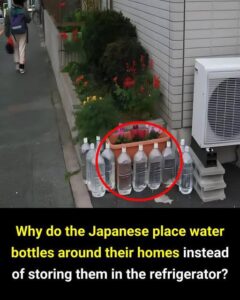
How Do People Think It Works?
For people outside Japan, this practice might seem a bit strange, but it’s actually quite common in many Japanese cities. The idea behind it is that when sunlight or even streetlights shine on the water in the bottles, they create flashes of light. People believe that these flashes can startle cats and make them stay away.
Some folks also believe that the distorted reflections that appear in the water or the way the bottles might affect a cat’s depth perception (how they judge distances) could also confuse the felines, making them less likely to hang around.
Where Did This Idea Come From?
It’s quite interesting to learn that this custom didn’t actually start in Japan! It’s believed that the idea first appeared in Western countries back in the 1980s, but back then, it was used to deter dogs, not cats. In Japan, the concept was adapted to protect walkways and gardens specifically from cats.
But Does It Actually Work?
This is where things get a bit tricky, and experts in animal behavior don’t all agree. According to scientific research, placing water bottles doesn’t consistently stop cats from coming around, especially when there isn’t much light. Even with this information, many people continue to put out the bottles. This is partly out of habit, and partly because they hold onto the hope that it might just do the trick.
More Than Just a Deterrent
While there’s no strong proof that these bottles are effective at keeping cats away, one good thing is that they are safe and don’t harm the animals. In recent years, these “nekoyoke” bottles have become more than just a simple way to try and control pests. They’ve turned into a unique part of Japanese culture that many find curious.
This practice really shows some of the qualities that are highly valued in Japan, such as creativity, neatness, and a thoughtful approach to solving problems, even if the solution isn’t always perfect.
So, even though people still debate whether these water bottles truly work, this custom definitely adds a special charm and a touch of mystery to Japanese neighborhoods. It becomes a memorable detail for tourists visiting or for anyone observing the daily life from afar.
Do you know of any other interesting cultural practices that aim to solve everyday problems in a unique way?