The disease is rarely diagnosised in time for lifesaving treatment, and removes about half a million people annually; here is what to look for.
What is pancreatic canc3r?
Pancreatic canc3r happens when cells in your pancreas mutate (change) and multiply out of control, forming a tumor. Your pancreas is a gland in your abdomen (belly), between your spine and stomach. It produces hormones that control bl00d-sugar levels and enzymes that aid in digestion.
Early-stage pancreatic tumors don’t expose on imaging tests. For this reason, many people don’t receive a diagnosis until the canc3r has developed.
What are the symptoms of pancreatic canc3r?
Unfortunately, there aren’t any early signs of pancreatic canc3r
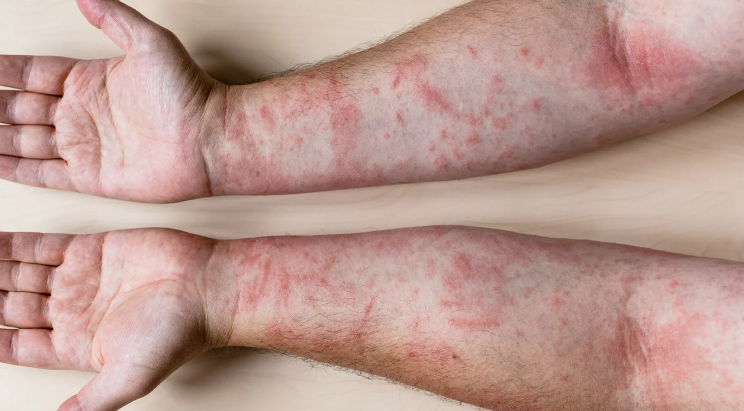
Pancreatic canc3r symptoms may include:
- Jaundice (yellowing of your skin).
- Dark urine (pee).
- Light-colored stool (poop).
- Upper abdominal pain.
- Middle back pain.
- Fatigue.
- Itchy skin.
- Nausea and vomiting.
- Gas or bloating.
- Lack of appetite.
- Bl00d clots.
- Weight l.o.s.s.
- New-onset dia:betes.
What causes pancreatic canc3r?

Common pancreatic canc3r risk factors include:
- Smoking cigarettes, cigars and using other forms of tobacco.
- Obesity, especially if you have extra weight around your waist.
- Diabetes, especially Type 2 diabetes. Sudden-onset diab:etes could be a sign of pancreatic canc3r.
- Exposure to certain chemicals, like pesticides and petrochemicals.
- Chronic pancreatitis, a permanent inflammation of your pancreas.
- Hereditary chronic pancreatitis due to gene changes (mutations) passed from biological parent to child.
- Hereditary syndromes with changes (mutations) in genes, such as BRCA1 or BRCA2 genes passed from biological parent to child.
How the pancreatic canc3r develops
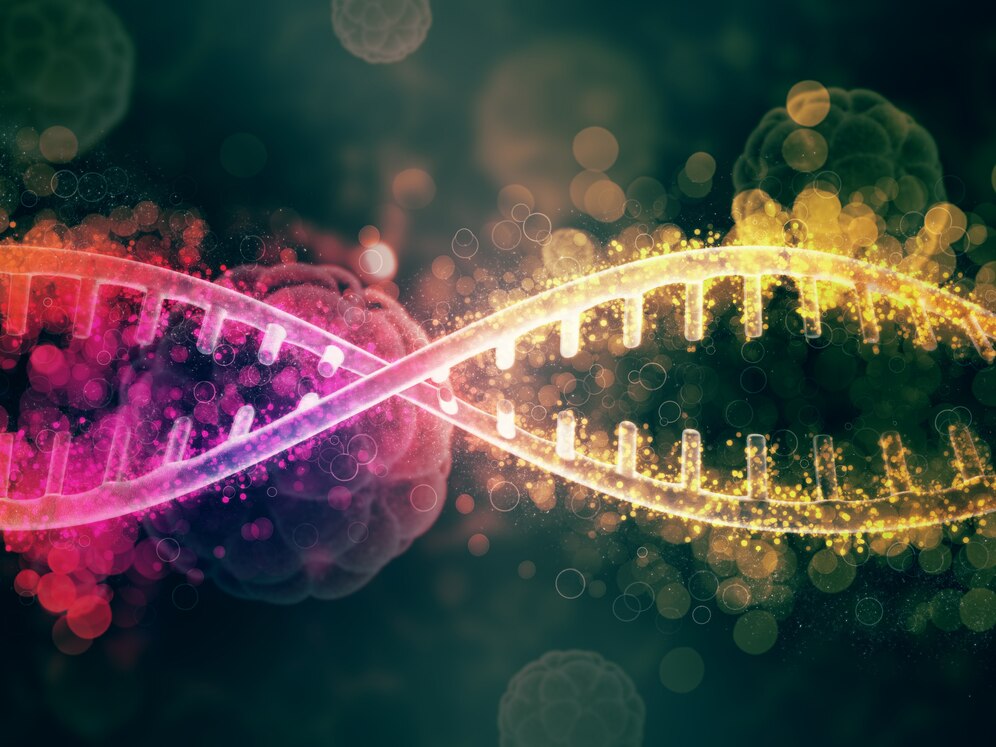
- DNA changes: DNA changes, or mutations, in a cell’s DNA cause it to grow and multiply too quickly.
- Cell division: Cells normally divide to replace old cells, but with cancer cells, this process breaks down.
- Tumor formation: The extra cells form a mass of tissue called a tumor.